
 Due to the heavy rainfall and summer heat, the mosquito populations are increasing in Orange County, and many homeowners are suffering from painful mosquito bites.
The good news is that you don’t just have to sit back and take it anymore. In this article, you will learn some steps you can take to fight back against these pests.
The two mosquitoes of concern in Orange County
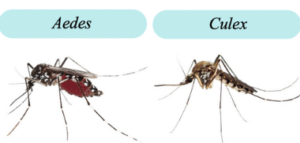
In Orange County, the two mosquito genera of concern are the Aedes, and the Culex.
1. The Culex genera is also known as the “Southern House Mosquito”. These are small, brown mosquitoes, and they are generally active during dawn and dusk. They prefer to feed on small mammals, but will bite people when other animals are not nearby. The females lay their eggs in rafts on the surfaces of large bodies of organically rich, stagnant water. Some places you’ll find them breeding are in ponds, green pools, and rain gutters. Culex are known to transmit West Nile virus, St. Louis Encephalitis, and Western Equine Encephalitis.
2. The Aedes genera is also known as the “Asian Tiger Mosquito”, or “Ankle-Biter”. These are small, and have noticeable black and white markings on their bodies and legs. Aedes are active during the day, and prefer to feed on humans. The females lay their eggs along the sides of containers, such as buckets, drip trays for potted plants, tires, and other places where water can collect and become stagnant. It is interesting to note that these eggs will lay dormant for several years, and can hatch when conditions are right and water is present. Aedes are known to transmit Zika, Dengue, Chikungunya, Yellow fever, and Dog Heartworm.
Important mosquito facts
• Mosquitos need water to complete their life cycle. From egg to adult, their development will take about 7-10 days.
• A large portion of mosquitoes are produced in residential backyards, in small breeding sources.
• A small bottle cap can hold enough water to produce mosquitoes!
• Only the female bites.
• Mosquitoes do not develop in grass or shrubbery. However, they will sometimes rest in those areas during the day.
Twelve Steps you can take to
fight back against mosquitoes
1. Dump and drain any containers that hold water at least once a week.
2. Cover empty containers, or turn them upside down so they won’t collect water.
3. Drain bird baths, containers, pots, and pet bowls on a weekly basis. Scrub them clean as needed.
4. Drain the water from plant saucers on a weekly basis.
5. Clean your rain gutters and make sure they are draining properly.
6. If you have rain barrels, cover them with tight screening to keep mosquitoes out.
7. Dispose of old tires and debris that may collect water.
8. If you have unused pools or spas that contain water, contact the Orange County Vector Control District. They will put mosquito fish in these, usually at no charge.
9. Sump pumps should be covered with tight screening.
10. Close all unscreened doors and windows to help keep mosquitoes out. Repair or replace damaged screens.
11. Use a mosquito repellant when going outdoors, and reapply as recommended.
12. Wear long-sleeved shirts and long pants. Lighter colored clothing is best.
These twelve steps will go a long way in helping you fight back against these pests. If you still are having a problem with mosquitoes in your yard, call us at (949) 631-7348. We have new mosquito services that will help you to take your yard back, and make your summer more enjoyable.